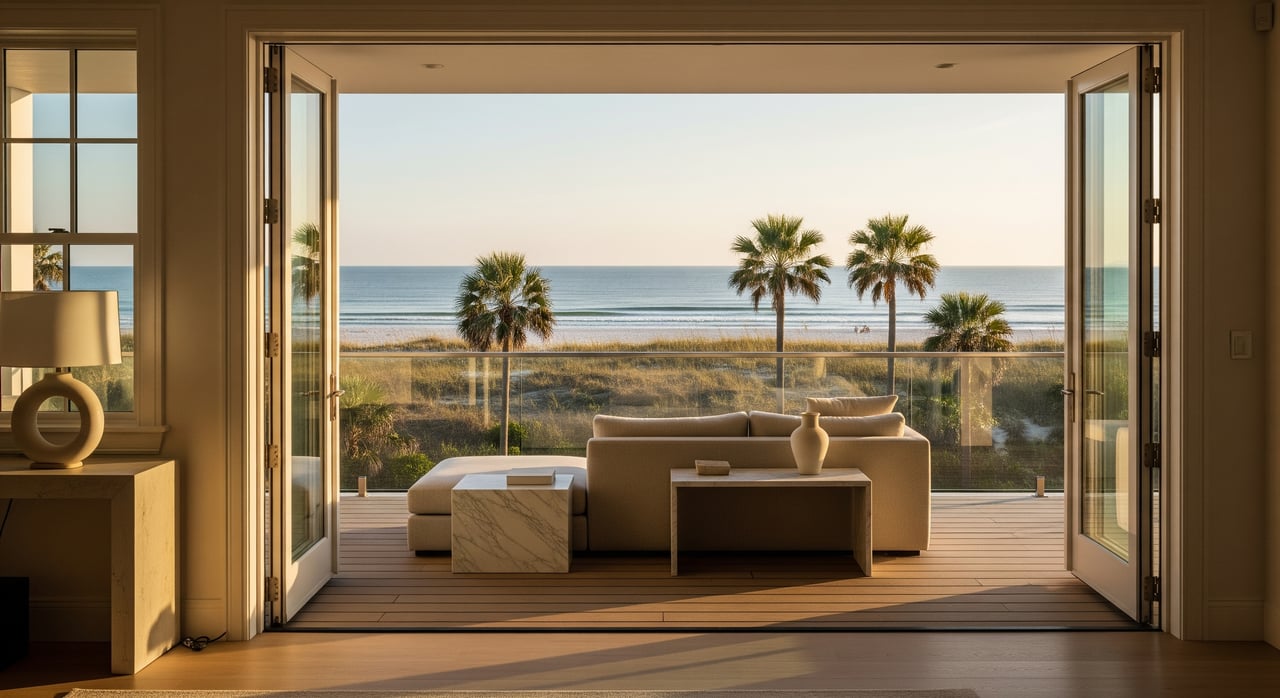
Picture your morning starting with an Atlantic sunrise and the sound of waves below your balcony. Buying an oceanfront condo at Village Spires can make that vision real, but coastal ownership comes with unique details you should not overlook. In this guide, you’ll learn the exact steps, documents, inspections, and insurance points to review before you commit. You’ll walk away with a clear plan you can use today. Let’s dive in.
Village Spires essentials
Owning on the ocean is different from owning inland. Salt air, wind exposure, storm surge, and dunes all affect maintenance, insurance, and long-term planning. Your first job is to confirm the building’s risk profile and the association’s readiness.
- Flood and storm risk. Check your unit’s FEMA flood zone on the FEMA Flood Map Service Center. Ask whether there is a building or unit elevation certificate. Review lender flood requirements and pricing basics in the National Flood Insurance Program guidance.
- Insurance market. Coastal Florida often has higher insurance costs and separate windstorm deductibles. Verify how the association’s master policy covers wind, water intrusion, and deductibles. For background, review the Florida Department of Financial Services consumer insurance resources and Citizens Property Insurance as a reference for coastal coverage.
- Beach access and dunes. Confirm whether Village Spires provides a dedicated access path and who maintains dunes or seawalls. Ask whether beach nourishment or dune work has created or could create special assessments.
- Public records. Use the Indian River County Property Appraiser for tax history and legal descriptions, and check the Clerk of Court for any recorded documents or litigation affecting the association or unit.
Step 1: Get pre-approved and choose a local guide
Start with a lender who works with Florida condos and understands association insurance and reserve requirements. Loan approvals can hinge on a project’s reserves, litigation status, and insurance structure.
Next, select a Vero Beach agent who knows Village Spires and oceanfront buildings. A local condo-savvy team will help you gather documents early, spot red flags, and connect you with trusted inspectors, attorneys, and insurance brokers.
What your pre-approval should confirm
- The lender accepts the association’s insurance and reserve structure.
- The condo meets lender criteria for owner occupancy, reserves, and litigation exposure.
- Your rate and terms reflect realistic insurance and tax estimates for an oceanfront unit.
Step 2: Request the condo documents and estoppel
Ask for the full documents package as soon as you’re serious about a unit. In Florida, many of your rights and obligations are set by the association’s governing documents and state statute.
- Declaration of Condominium and Articles of Incorporation. Clarify ownership of common elements, limited common elements like parking or lockers, and restrictions on use or modifications.
- Bylaws and Rules and Regulations. Review pet rules, smoking policies, guest parking, storage rules, and any quiet hours.
- Budget and financial statements. Check current assessments, what they cover, and whether statements are audited or compiled.
- Reserve study and funding policy. Look for reserve sufficiency for big-ticket items like roofs, elevators, exterior painting, balconies, and any dune or seawall responsibilities.
- Meeting minutes for 12 to 24 months. Scan for special assessments, capital projects, insurance changes, and system complaints.
- Insurance policies and certificate of insurance. Confirm master policy limits, windstorm deductibles, and sublimits for issues like mold.
- Estoppel certificate. Verify the seller’s account status, current dues, and any approved or pending special assessments.
- Management contract and governance info. Understand whether the building is self-managed or professionally managed and how long the contract runs.
- Litigation disclosures. Ask the association or its attorney to disclose pending suits and potential impacts on premiums or assessments.
- Maintenance and capital project records. Note recent projects and how they were funded.
- Unit-specific approvals. Confirm approvals for windows, shutters, enclosed balconies, or interior modifications.
- Technical reports. Request any engineer reports, envelope or balcony evaluations, and building inspection reports.
For a helpful legal overview of your rights as a buyer and unit owner, read the Florida Condominium Act, Chapter 718.
What to scan first
- Insurance. Identify windstorm deductibles, coverage type, and carrier history.
- Reserves. Compare recent reserve studies to the reserve account and upcoming projects.
- Minutes. Look for signs of deferred maintenance or planned assessments.
- Rules. Confirm rental rules, pet policies, and balcony or shutter requirements before you plan your lifestyle around them.
Step 3: Schedule inspections and technical checks
Older coastal buildings and oceanfront locations benefit from more than a basic walkthrough. Prioritize these items:
- General home inspection. Have a licensed inspector evaluate the unit’s systems and visible conditions.
- 4-point inspection. Many insurance carriers require this for older buildings to assess roof, electrical, plumbing, and HVAC.
- Wind mitigation inspection. Useful if your unit has impact windows or doors and for discussions about mitigation credits.
- Elevation certificate. If flood coverage is required or recommended, an elevation certificate can help clarify rate factors and lender requirements.
- Building-specific engineering. If minutes or reports reference balconies, concrete, or envelope concerns, consider an engineer’s review.
- Photographic documentation. Request clear photos of balcony connections, windows, sliders, and any storage or parking spaces tied to the unit.
Step 4: Understand your ongoing costs
Create a conservative budget that reflects oceanfront realities. Ask for written details and keep a contingency buffer for storms and special projects.
- HOA assessments. Confirm the current amount and what it covers, such as master insurance, common-area maintenance, pool, landscaping, management, and reserves.
- Owner’s HO-6 policy. Price interior coverage, personal property, liability, and loss-of-use. Review recommended limits.
- Flood insurance. If a lender requires flood coverage or if you choose to carry it, consult the National Flood Insurance Program guidance for basics and ask your broker about private-market options.
- Windstorm insurance. Some associations include wind in the master policy. If not, explore options and deductibles with your broker and resources like Citizens Property Insurance.
- Property taxes and utilities. Add county taxes and any utilities not covered by the association, plus cable or internet.
- Contingency fund. Maintain liquidity for hurricane deductibles and special assessments. Ask about the most recent reserve study and funding plan.
Deductibles to watch
Many coastal associations carry windstorm deductibles as a percent of insured value. A high deductible can lead to significant owner assessments after a storm. Ask how the deductible is funded and whether your HO-6 policy should include loss assessment coverage.
Step 5: Confirm practical living details
The little things shape your day-to-day experience and your rental potential if you plan to lease the unit.
- Parking and storage. Verify whether parking is deeded or assigned, the number of spaces, guest parking rules, and storage locker policies.
- Vehicle rules. Ask about golf carts, commercial vehicles, height restrictions, and where bicycles or paddleboards can be stored.
- Beach access. Confirm the access path, who maintains it, and whether dune or nourishment work has created assessments or responsibilities.
- Rentals. Review minimum lease terms and registration steps. Short-term rentals may be limited; follow the association’s rules and any local ordinances.
- Pets. Check pet limits by number, size, or breed and any registration requirements.
- Hurricane protection. Clarify whether shutters or impact glass are your responsibility, and whether approvals are needed before installation.
Step 6: Closing and post-closing checklist
Use this sequence to keep your purchase on track and your move-in smooth.
- Order the estoppel certificate and confirm dues status and fees.
- Have your attorney review the declaration, rules, minutes, and insurance coverage.
- Complete the lender’s condo questionnaire and deliver all requested association documents.
- Finish inspections, including any 4-point, wind mitigation, or engineer reviews.
- Secure title insurance for the unit and any limited common elements like parking or storage.
- Bind HO-6 coverage and, if needed, flood insurance before closing.
- Register with the association for access cards, parking decals, and elevator reservations if required.
- Change locks, update mailing addresses, and set up utilities.
- Arrange a hurricane plan. If you are not local, identify a property manager or local contact to secure the unit and handle claims during storm season.
Quick buyer checklist
- Check FEMA flood zone and ask for any elevation certificate.
- Review master insurance, windstorm deductibles, and carrier history.
- Compare reserve study to the reserve balance and upcoming projects.
- Read minutes for the past 12 to 24 months for assessments and system issues.
- Confirm rental rules, pet policies, parking, storage, and beach access.
- Complete 4-point and wind mitigation inspections and consider an engineer review.
- Price HO-6, flood, and wind coverage with a local broker.
- Order the estoppel and verify dues, balances, and assessments.
- Align lender requirements with association status before final loan approval.
Work with a trusted local team
Village Spires is a special oceanfront address, and getting the details right is what protects your lifestyle and your investment. If you want a calm, informed path from first showing to closing day, work with a local team that knows the building, the beach, and the documents that matter. The Schlitt Gonzalez Team brings multigenerational Vero Beach expertise and full-service guidance to help you buy with confidence.
FAQs
What makes oceanfront condo buying in Vero Beach different?
- Ocean exposure increases focus on flood zones, windstorm deductibles, reserves for coastal wear, and governance around dunes, beach access, and balcony or envelope maintenance.
How do I check the flood risk for a Village Spires unit?
- Look up the building’s FEMA flood zone on the FEMA Flood Map Service Center and ask for an elevation certificate to help your lender and insurance broker price coverage.
How can I estimate my total monthly cost at Village Spires?
- Start with current HOA assessments, then add HO-6, flood and wind insurance, property taxes, and any utilities not covered, plus a contingency for storm deductibles and special assessments.
How do insurance deductibles affect me as an owner?
- Many associations carry percentage windstorm deductibles that can trigger owner assessments after a storm, so review the master policy and consider loss assessment coverage on your HO-6.
How can I confirm rental and pet rules at Village Spires?
- Read the declaration and rules, ask management for the latest policies, and verify any registration steps and minimum lease terms before you plan to rent or move with a pet.
What if the association has pending litigation?
- Ask for details from meeting minutes and the association attorney, evaluate insurance coverage and potential exposure, and confirm your lender’s requirements when litigation is present.
Which inspections are most important for an older oceanfront building?
- Complete a general inspection plus 4-point and wind mitigation reports, and consider an engineer review if minutes reference balconies, concrete, or envelope repairs.
Which laws govern Florida condo purchases?
- Buyer and owner rights are defined in the Florida Condominium Act, Chapter 718, alongside the association’s recorded documents and local ordinances.