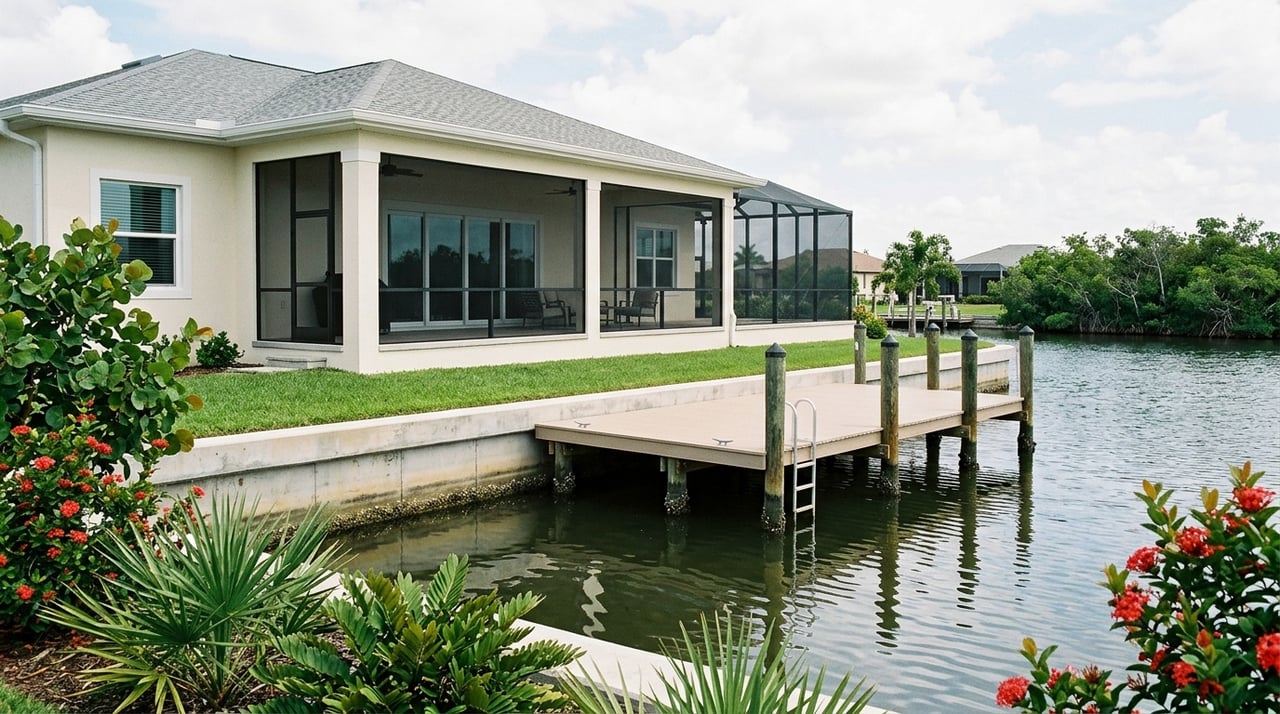
Selling a waterfront home in Vero Isles is different from selling an inland property. Buyers are not only looking at your kitchen, flooring, and curb appeal. They are also paying close attention to the dock, seawall, flood details, and the overall condition of the canal side of the property. If you want a smoother sale and stronger buyer confidence, the best place to start is with preparation that makes those details easy to verify. Let’s dive in.
Start With Your Waterfront Paperwork
Before you schedule photos or touch up paint, gather the documents that help explain your property clearly. For a Vero Isles waterfront home, buyers often want answers early about permits, flood exposure, and improvements along the water.
A strong pre-listing file may include your survey, prior permits, approved plans, repair invoices, warranties, and any elevation certificate or flood-zone records you have. Indian River County provides public flood-risk information and access to elevation certificates, and the county notes that new FEMA flood maps took effect on January 26, 2023.
This step matters because waterfront questions tend to come up fast. When you can answer them with documents instead of guesswork, you reduce stress and help buyers feel more comfortable moving forward.
Know the Dock and Seawall Records
In Indian River County, docks and seawalls may require separate permits and applications. The county checklist also calls for a scope-of-work application, a survey or site plan, and signed and sealed structural drawings from a Florida-licensed design professional.
Depending on the property, Planning approval is required, Public Works review may be needed for docks in floodway areas, and state or federal agency approvals may also apply. That is why it is so important to confirm what was permitted on your specific parcel rather than assume everything is already in order.
If you are planning repairs before listing, do not start work too early. The county states that work should not begin before permit issuance, and a recorded Notice of Commencement is required before the first inspection when the job value exceeds $2,500.
Prepare for Florida Flood Disclosure
Florida now requires a flood disclosure for residential sales at or before contract execution. The statute also states that homeowners insurance does not cover flood damage.
That means buyers may ask whether the home has flooded before, whether any flood claims were filed, and what flood zone the property is in. Having your flood-related information ready early can help those conversations stay clear and calm.
Show the Waterfront as a Maintained Asset
In Vero Isles, the canal side of the property can shape a buyer’s first impression just as much as the front entry. A waterfront setting is a major selling point, but it also signals maintenance responsibility.
Waterfront homes face added wear from wind, salt, sand, sun, and humidity. According to ASHI, those conditions can contribute to corrosion, moisture intrusion, mold, and pest pressure. Because of that, even small deferred-maintenance items can look larger to a buyer walking the patio or dock.
Focus on What Buyers See First
Pay attention to the surfaces and details buyers will notice from the patio, pool area, dock, or seawall line. Clean hardscape, remove debris, touch up worn paint, check caulking and visible fasteners, and make sure walking surfaces feel safe and solid.
The goal is not to over-improve. The goal is to show that the property has been cared for in a way that fits its waterfront setting and price point.
Treat the Dock as Its Own Feature
If your home has a dock, think of it as a separate condition item. ASHI notes that docks and seawalls are not always part of a standard home inspection scope, so a specialized dock or marine evaluation before listing can help uncover issues sooner.
That can be especially helpful if buyers will be comparing your property based on boating use, dock convenience, or overall waterfront readiness. A clear understanding of dock condition can reduce surprises during due diligence.
Be Careful With Shoreline Cleanup
Many sellers want a cleaner view before listing, but waterfront vegetation is not something you should handle casually. In Indian River County, mangrove removal is not allowed by the county, and trimming is limited by specific rules.
The county guide says trimming below 6 feet, root trimming, and defoliation are among the activities to avoid. For taller mangroves, a professional mangrove trimmer or authorization through the proper agency may be required.
Avoid Unpermitted Shoreline Changes
The county also states that shoreline alteration is prohibited unless the work serves public interest, prevents or repairs erosion damage, or provides reasonable water access and is properly permitted. In plain terms, do not try to improve the lot by changing shoreline conditions without first confirming what is allowed.
This is one of the easiest places for a well-meaning seller to create a new problem before listing. If you are unsure, it is better to verify first than to make a change that raises buyer concerns later.
Order Inspections Before You List
One of the smartest ways to prepare a waterfront home for sale is to learn what a buyer is likely to find before the buyer finds it. A pre-listing inspection can give you more control over repairs, pricing, and disclosures.
ASHI notes that pre-listing inspections can help sellers begin repairs earlier, price more accurately, and avoid surprises. For a Vero Isles seller, that can be especially useful when the home includes waterfront structures, older systems, or a long maintenance history.
Consider the Right Inspection Mix
For a Florida waterfront home, a practical inspection plan often includes:
- A general home inspection
- A four-point inspection
- A wind mitigation inspection
- Additional inspections if needed, such as mold, septic, or pool and spa review
Florida’s insurance consumer guide explains that a four-point inspection focuses on the roof, electrical, plumbing, and HVAC systems. The report also typically includes photos of each side of the home, each roof slope, the water heater and visible plumbing, open electrical panels, and HVAC equipment.
A wind mitigation inspection can also be useful if you have documentation for storm-hardening improvements. Florida DFS notes that wind-mitigation documentation is completed by qualified professionals and may support insurance discounts or credits.
Watch Common Waterfront Trouble Spots
Waterfront homes can have condition patterns that buyers and inspectors notice quickly. ASHI points to issues such as corrosion, drainage problems, moisture intrusion, foundation movement, roof wear, and pest activity.
If your home is older or has had repeated repairs, it is wise to schedule inspections before photography and before the home hits the market. That timing gives you space to repair issues, disclose them properly, or adjust your pricing strategy before buyers form an opinion.
Market Water Access With Precision
When it is time to market a Vero Isles home, accuracy matters. Buyers want to know not just that the home is waterfront, but what that actually means for daily use and ownership.
Your marketing and listing packet should clearly present what the property offers, such as dock condition, permit status, canal orientation, and water access. If you have strong pre-listing documentation, that information can help create trust instead of leaving buyers to fill in the blanks.
Use Parcel-Specific Flood Information
Flood risk, dock legality, and shoreline rules are not one-size-fits-all. Indian River County’s flood tools and permit guidance are address-based, which means each parcel should be verified on its own facts.
That is why broad claims can backfire. Instead of assuming every Vero Isles waterfront home has the same flood profile or insurance picture, use current flood-zone and elevation information tied to your exact property.
Be Transparent About Insurance Questions
Because Florida requires flood disclosure, buyers are often thinking about insurance earlier in the process. They may want to understand flood-zone details, prior flood history, and whether any claims or flood assistance were involved.
Clear answers can make your listing feel better organized and easier to evaluate. For many buyers, confidence comes from clarity.
Time Your Prep Around the Season
If you plan to complete exterior work, dock repairs, or shoreline-related maintenance, timing can make a difference. NOAA states that the Atlantic hurricane season runs from June 1 through November 30 and peaks around September 10.
If possible, try to complete outside projects before that period gets busy. This does not change your home’s value on its own, but it can reduce the chance of delays in contractor schedules, showings, or storm preparation.
Why This Matters in Vero Isles
In a waterfront neighborhood like Vero Isles, buyers are often drawn in by boating access, canal frontage, and the overall coastal lifestyle. But the homes that inspire the most confidence are usually the ones where the seller has made the ownership story easy to understand.
That means organized documents, careful upkeep, accurate property details, and a clean path through due diligence. When you prepare your home that way, you are not just making it look better. You are making it easier for the next buyer to say yes.
If you are thinking about selling a waterfront home in Vero Isles, the Schlitt Gonzalez Team can help you prepare, position, and market your property with the local insight and high-touch service this kind of sale deserves.
FAQs
What documents should you gather before selling a waterfront home in Vero Isles?
- You should gather your survey, prior permits, approved plans, repair invoices, warranties, and any flood-zone records or elevation certificates you can find.
What should sellers verify about a dock or seawall in Vero Isles?
- You should verify permit status, approved plans, and whether the current dock or seawall matches what was authorized for the property.
What flood information do buyers ask for when buying a Vero Isles waterfront home?
- Buyers often ask about the flood zone, elevation certificate, prior flooding, and whether any flood claims or flood assistance were involved.
What inspections are helpful before listing a Vero Isles waterfront property?
- A pre-listing strategy may include a general home inspection, four-point inspection, wind mitigation inspection, and other inspections such as mold, septic, or pool and spa review if needed.
What shoreline cleanup rules matter when selling a waterfront home in Indian River County?
- Sellers should be careful not to remove mangroves or alter shoreline areas without confirming county rules and permit requirements first.