Dreaming of a simple seasonal escape in The Moorings? Before you picture condo convenience at Anchor, it helps to know what Anchor actually is and how ownership there really works. If you are exploring a part-time home in this waterfront community, understanding the property type, costs, rules, and lifestyle can help you make a smarter decision. Let’s dive in.
Anchor Is Not a Condo Community
One of the most important things to clear up first is this: Anchor at The Moorings is best understood as a gated waterfront neighborhood of detached homes, not a condominium complex. Public community information and current official sales listings identify Anchor properties as single-family residences within subdivisions such as ANCHOR THE MOORINGS and MOORINGS UNIT 5 "THE ANCHOR."
That matters because seasonal ownership looks very different in a detached-home HOA than it does in a condo building. If you are looking for true condo-style ownership in The Moorings, that type of setup is typically found in other neighborhoods, such as River Mews or Windward, not Anchor.
What Seasonal Ownership Feels Like at Anchor
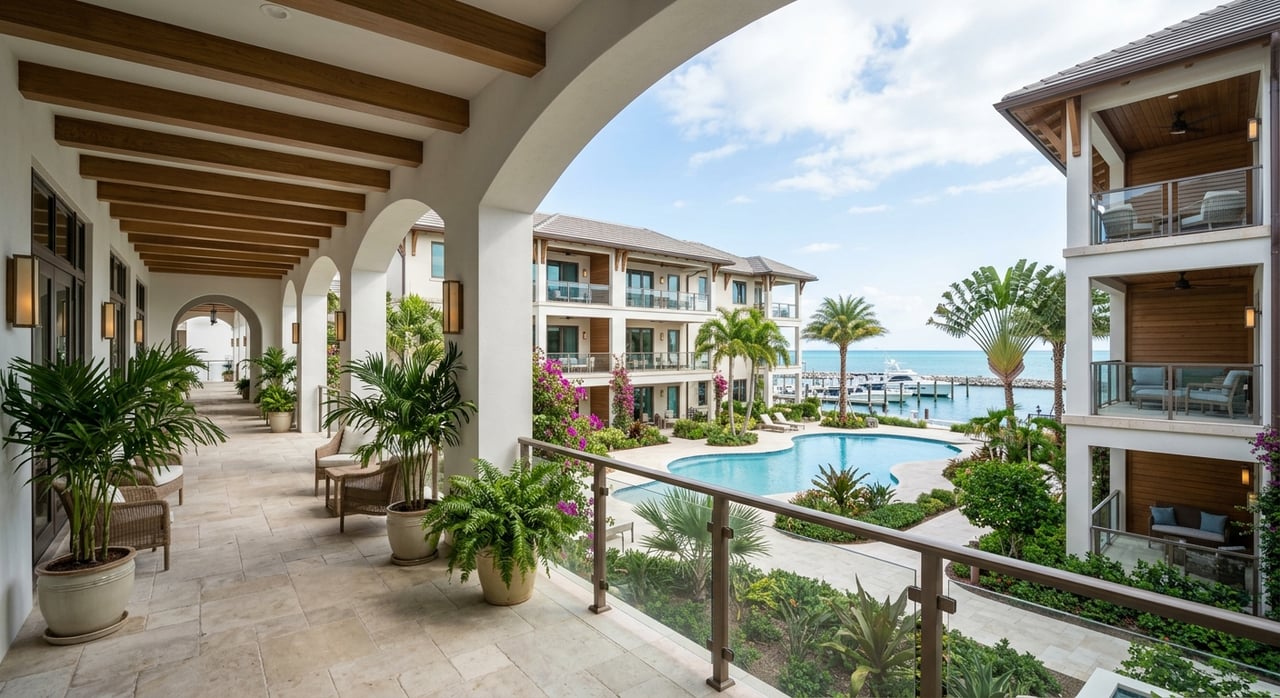
For many buyers, Anchor works best as a lock-and-leave waterfront home base rather than a maintenance-free condo. The broader Moorings lifestyle is designed to appeal to both year-round and seasonal residents, with a barrier-island setting, private beach access, two private marinas, and about eight miles of deep-water dockage.
That combination makes Anchor especially appealing if you want easy access to boating and waterfront living during part of the year. At the same time, you should go in knowing that a detached home usually brings more hands-on planning than a condo would.
Recent listings support that seasonal-use pattern. Features such as impact glass, generators, private docks, and furnished or negotiable-furnished terms can make arrivals and departures easier for part-time owners.
Anchor Amenities at a Glance
Public community information for Anchor highlights two visible association amenities:
- Tennis courts
- Manned gate house
Those amenities support privacy and ease of entry, but they also reinforce the point that Anchor is not being presented as an amenity-heavy condo complex. The value here is more about the waterfront setting, gated entry, and individual homes within The Moorings lifestyle.
Separate HOA and Club Costs
A common point of confusion for seasonal buyers is the difference between the Anchor HOA and The Moorings Club. These are not the same expense.
Anchor ownership includes mandatory HOA membership, and recorded restrictive covenants govern use and occupancy. Public disclosure materials also note that assessments and special assessments may change over time.
The Moorings Club, on the other hand, is a private, member-owned club with amenities that include 36 holes of golf, tennis, pickleball, a fitness center, croquet, pool and spa, yacht club, and dining. If you want access to those lifestyle offerings, you should confirm membership structure and costs separately from the HOA.
Seasonal Costs to Plan For
If you are budgeting for seasonal ownership at Anchor, look beyond the purchase price. Carrying costs can be significant, especially for waterfront homes.
Recent listing snapshots show Anchor association fees at 400 on some current listings, while an older MLS snapshot showed a monthly HOA fee of 267. Fee coverage on recent listings has included common areas, reserve fund, and security.
Property taxes shown on recent high-end Anchor listing snapshots were 36,202 and 43,113 annually. Even without club costs, those numbers are a reminder that ownership costs may be substantial.
You will also want to model other recurring and seasonal expenses, including:
- Insurance
- Dock or lift upkeep
- Seawall maintenance
- Hurricane preparation
- Home watch or property oversight when you are away
- Maintenance reserves for a detached home
- Any separate club dues or initiation costs
Why Due Diligence Matters More Here
Because Anchor is a detached-home HOA rather than a condo, your review process should be very detailed. The practical questions are not just about the home itself, but also about what the association documents allow and what the waterfront features may require.
A closing agent will need an estoppel before closing. Elliott Merrill describes the estoppel as a legal, binding document confirming what fees are due on and associated with the property.
That document can help you verify current dues and any other charges tied to the home. For a seasonal buyer, it is one of the key tools for understanding your true carrying costs before you close.
Leasing Rules Need Careful Review
If part of your seasonal plan includes renting the property when you are not using it, do not assume that flexible short-term leasing is allowed. This is one of the biggest areas where buyers need to slow down and verify the details.
Anchor’s public application packet covers both purchases and leases. It requests occupant names and ages, current and prior addresses, pets, personal and bank references, and it authorizes a background investigation.
The packet also says an applicant may be interviewed, approval is personal and non-transferable, and the board’s decision is final and conclusive. That tells you the community has a formal approval process for occupancy.
Florida HOA law allows associations to amend governing documents to regulate rental agreements under six months and to prohibit renting the parcel more than three times in a calendar year. However, the public Anchor packet reviewed here does not state the minimum lease term.
That means you should verify leasing rules in the recorded covenants, any later amendments, and the estoppel package before you count on rental income. You should also review any first right of refusal provisions disclosed in recent listings, since those can affect both purchase contracts and lease plans.
Documents You Should Request Early
When you are considering a seasonal purchase at Anchor, asking for documents early can save time and reduce surprises later. Florida HOA law requires associations to maintain official records such as the declaration, bylaws, rules, and amendments, and current rules or covenants must be provided to new members.
Those records must generally be made available within 10 business days after a written request. For a buyer, that makes early document review especially important.
A strong due diligence checklist should include:
- Declaration of covenants
- Bylaws
- Current rules and regulations
- Amendments to governing documents
- Estoppel information
- Current budget and reserve information, if available
- Lease and sales application materials
- Any disclosure of first right of refusal
Is Anchor the Right Fit for You?
Anchor may be a strong match if you want a gated waterfront home in The Moorings and you are comfortable with the responsibilities that come with detached-home ownership. It can be especially attractive if you value private docks, storm-ready features, and a seasonal setup that feels more like a private residence than a condo unit.
It may be less ideal if your top priority is a low-maintenance condo lifestyle where exterior upkeep is handled at the building level. In that case, another Moorings neighborhood may fit your goals better.
The key is matching your lifestyle to the actual ownership structure. When you understand that Anchor is a waterfront home community first, your buying strategy becomes much clearer.
If you are comparing seasonal options in The Moorings, the right guidance can help you sort through ownership style, carrying costs, leasing rules, and community fit before you make a move. The Schlitt Gonzalez Team can help you evaluate waterfront opportunities in Vero Beach with the local context and personal service that matter.
FAQs
Is Anchor at The Moorings a condo community?
- No. Public community information and official listings indicate Anchor is a gated waterfront neighborhood of detached homes within The Moorings, not a condominium complex.
What amenities are publicly listed for Anchor at The Moorings?
- Public community information identifies tennis courts and a manned gate house as visible association amenities.
Can you rent out a seasonal home in Anchor at The Moorings?
- Possibly, but you should verify the recorded covenants, amendments, application requirements, and estoppel details before assuming leasing is allowed on the timeline you want.
What approvals may be required for leasing in Anchor at The Moorings?
- The public application packet indicates leases may involve occupant information, references, a background investigation, possible interview, and board approval.
Are HOA fees and club dues the same in The Moorings?
- No. Anchor HOA costs are separate from The Moorings Club, which is a private, member-owned club with golf, racquet sports, fitness, spa, yacht club, and dining amenities.
What costs should seasonal buyers model for Anchor at The Moorings?
- Buyers should review HOA dues, property taxes, insurance, dock or lift upkeep, seawall maintenance, hurricane preparation, detached-home maintenance reserves, and any separate club-related costs.