If you are thinking about a second home in Vero Beach, Grand Harbor likely stands out for one simple reason: it offers a lot of lifestyle in one place. For many part-time owners, that matters just as much as the home itself. You want a property that feels enjoyable when you are here and manageable when you are away. This guide will walk you through what to look for, what to verify, and why Grand Harbor can appeal to seasonal buyers. Let’s dive in.
Why Grand Harbor Appeals to Second-Home Buyers
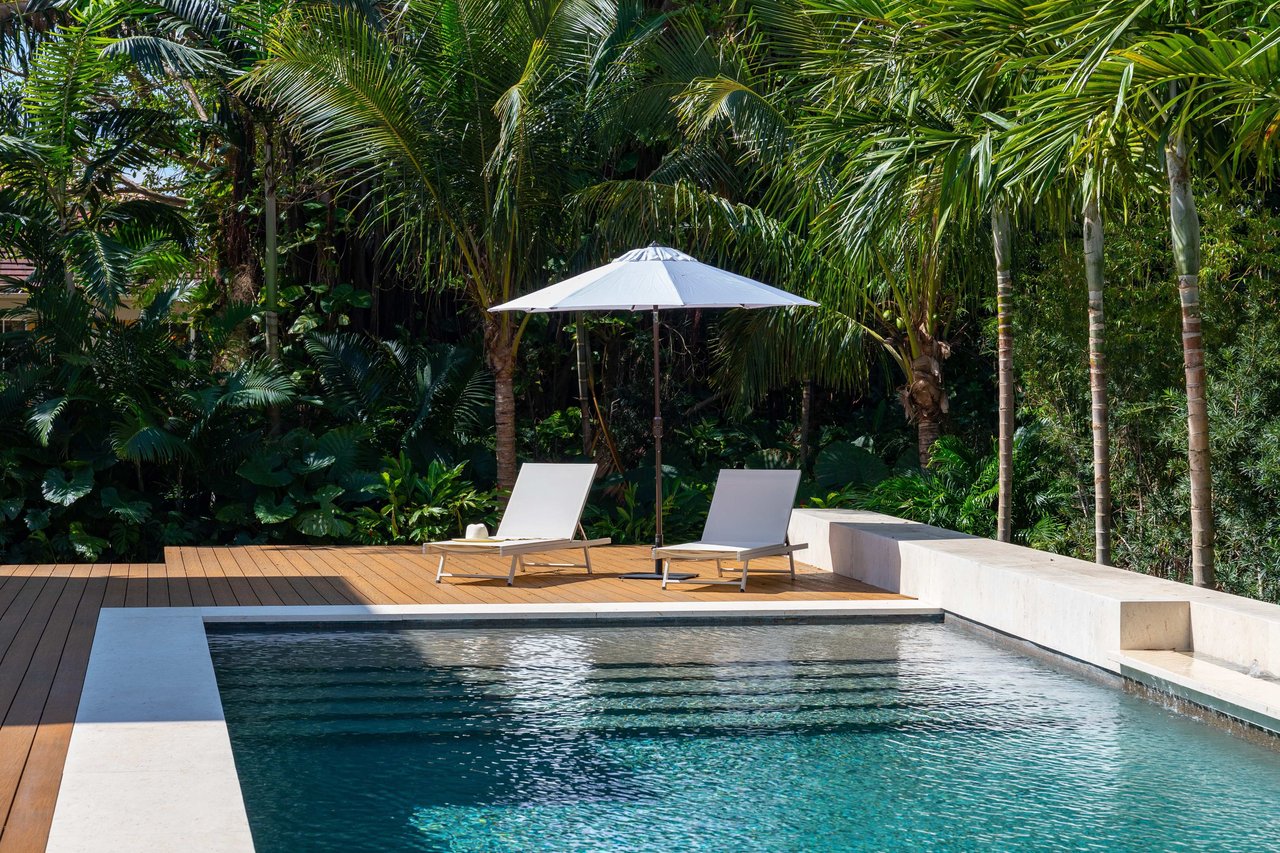
On its official community website, Grand Harbor is presented as a controlled-access, club-oriented community in Vero Beach with two golf courses, an oceanfront beach club, a 32,000-square-foot clubhouse, a tennis center, a fitness center, and an on-site marina. The marina is described as a 144-slip sheltered harbor with access to the Indian River and the Atlantic Ocean. For a second-home buyer, that combination can support a convenient, lifestyle-focused ownership experience.
A big draw for part-time ownership is that many recreational amenities are centered inside the community. That can reduce the need to plan every outing off-site when you arrive for a seasonal stay. It also makes Grand Harbor worth a closer look if you want a home base that supports golf, boating, fitness, and coastal leisure in one setting.
Know the Community Structure
One of the most important details to understand is that Grand Harbor distinguishes between residents and members on its official site. That means you should not assume that every amenity automatically comes with ownership. Some benefits may depend on club membership, membership level, or separate dues.
This point matters even more because the community includes multiple named neighborhoods and product lines, including The Falls, Laguna Village, and The Reserve. Different sections of a community can have different fees, maintenance obligations, and ownership rules. If you are buying for seasonal use, those details can shape your carrying costs and your day-to-day convenience.
Lock-and-Leave Features Matter
For many second-home buyers, the best property is not just beautiful. It is practical. A lock-and-leave home should be easier to secure, maintain, and monitor while you are away.
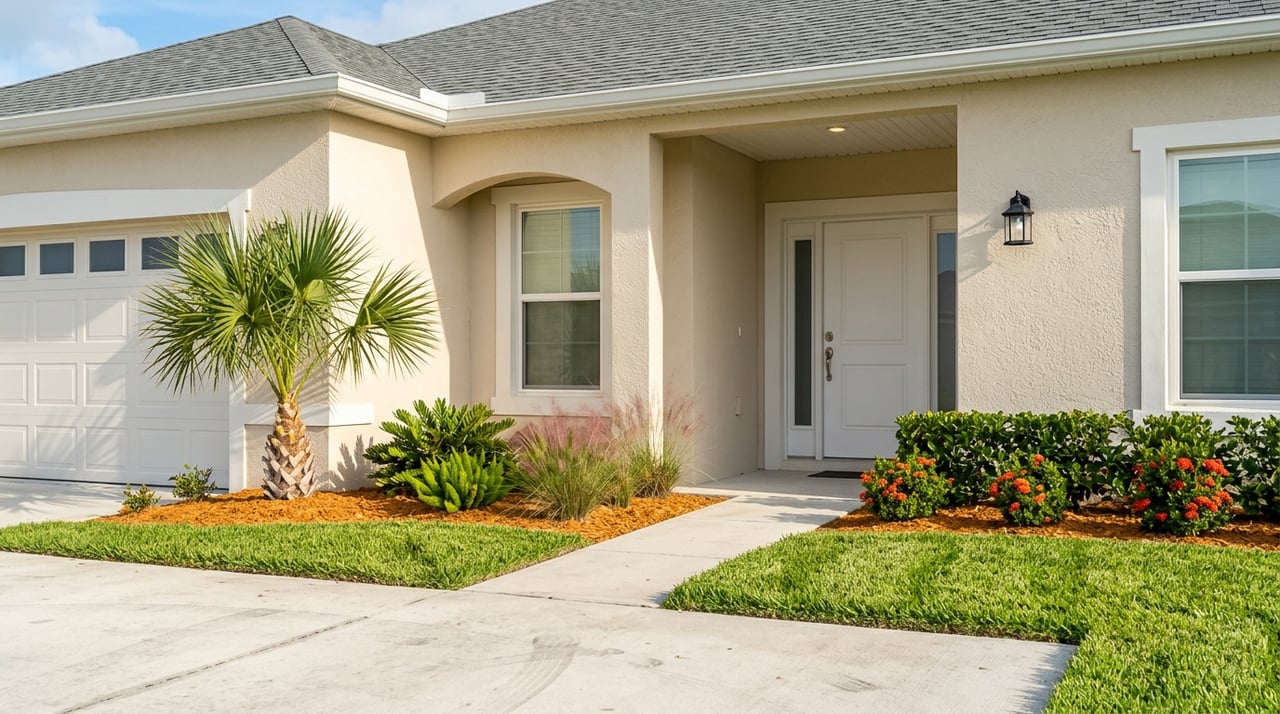
In The Falls, current courtyard-home descriptions highlight concrete-block construction, tile roofs, paver driveways and walkways, alarm systems, media outlets, full irrigation, and the option for custom changes. Those features are consistent with a lower-maintenance profile and can be appealing if you plan to use the property seasonally rather than year-round.
That does not mean every home in Grand Harbor will function the same way for a part-time owner. Some properties may require more exterior upkeep, landscape oversight, or owner involvement than others. It is smart to compare not only floor plans and finishes, but also the practical side of ownership.
Questions to Ask Before You Buy
A second home has different priorities than a primary residence. Before you move forward, focus on the details that affect how easy the property will be to own from a distance.
Ask clear questions such as:
- Is club membership required, optional, or layered by amenity?
- What does the HOA or COA cover for a part-time owner?
- Are marina slips deeded, leased, or waitlisted?
- Are there rental restrictions or minimum lease periods?
- What storm-prep tasks are the owner’s responsibility versus the association’s responsibility?
- Are there nearby third-party property management options?
These questions can help you avoid surprises after closing. They also help you compare one property or neighborhood section to another within the broader Grand Harbor community.
Seasonal Living in Vero Beach
Vero Beach weather plays a major role in how most second homes are used. According to the National Weather Service, the local wet season typically begins around May 26 and the dry season around October 17, with a median wet-season length of 146 days. If you are planning seasonal occupancy, that timeline is important.
The cooler months are often especially appealing. A Vero Beach winter climate summary for winter 2025-2026 reported an average maximum temperature of 74.8°F and an average minimum of 51.4°F. That helps explain why winter and early spring often line up well with second-home use.
For many buyers, the takeaway is simple: Grand Harbor may be especially attractive if you expect to spend more time here during cooler, drier months. At the same time, you will want a solid plan for the summer and early fall, when weather can be more active.
Plan for Hurricane Season
If you own a second home in coastal Florida, storm planning is part of responsible ownership. NOAA states that the Atlantic hurricane season runs from June 1 through November 30, with the busiest period usually in August through October. For part-time owners, this makes preparation and oversight especially important.
A good storm-season plan usually includes clear responsibilities. You should verify what the association handles and what remains your responsibility. That may include shutters, outdoor furniture, vehicle storage, landscaping coordination, or post-storm inspections.
It is also wise to think about ongoing home checks while you are away. Practical support can include periodic inspections, vendor coordination, A/C and humidity monitoring, mail and package handling, arrival and departure cleaning, and pre- and post-storm property checks. These are practical recommendations that fit the local climate pattern and second-home ownership needs.
Understand Florida Tax Treatment
Taxes are another area where second-home buyers should avoid assumptions. The Florida Department of Revenue says the homestead exemption applies when a homeowner makes the property a permanent residence, and it can reduce taxable value by as much as $50,000. Eligibility is determined by the county property appraiser.
For a second home, the key point is that tax treatment may differ from a primary residence. If you are comparing costs between properties or between states, be sure to review how the home will be classified. A quick review on the front end can help you build a more accurate ownership budget.
Focus on Ownership Logistics
Lifestyle gets your attention first, but ownership logistics often determine whether a second home feels easy or stressful. In a community like Grand Harbor, buyers benefit from looking beyond the brochure. You want to know how the property will function when you are gone for weeks or months at a time.
As you compare homes, think about:
- Exterior maintenance responsibilities
- Irrigation and landscape oversight
- Security and alarm features
- Access to property management help
- Storm preparation procedures
- Amenity access tied to ownership or membership
- Marina details, if boating is part of your plan
When these pieces line up with your lifestyle, second-home ownership can feel far more seamless.
Grand Harbor Second-Home Takeaway
Grand Harbor can be a strong fit for a second-home buyer who wants a gated, amenity-rich Vero Beach community with a coastal lifestyle focus. Its official materials point to centralized amenities, controlled access, boating access, and housing options that may support a lock-and-leave pattern, especially in areas such as The Falls. At the same time, buyers should carefully verify membership structure, neighborhood-specific obligations, rental rules, marina access, and storm-season responsibilities before making a decision.
If you want help comparing Grand Harbor options or understanding how a specific property may work for seasonal living, the Schlitt Gonzalez Team can help you evaluate the details with local insight and personalized guidance.
FAQs
Is Grand Harbor in Vero Beach a good fit for a second home?
- Grand Harbor may appeal to second-home buyers because the official community materials highlight controlled access, club-oriented amenities, boating access, and home options that can support a lock-and-leave lifestyle.
Does Grand Harbor ownership include all club amenities?
- Not necessarily. The official community website distinguishes between residents and members, so you should verify what comes with ownership and what depends on club membership or separate dues.
What should buyers verify before purchasing in Grand Harbor?
- You should confirm HOA or COA coverage, club membership structure, marina slip terms, rental restrictions, lease minimums, and storm-prep responsibilities for the specific property or neighborhood.
What time of year do most second-home owners prefer in Vero Beach?
- Many second-home owners are likely to prefer winter and early spring, when Vero Beach is typically cooler and drier based on National Weather Service climate patterns.
How does hurricane season affect second-home ownership in Grand Harbor?
- Hurricane season makes it important to have a plan for inspections, humidity control, storm prep, vendor coordination, and post-storm checks, especially if you are away for long stretches.
Does a second home in Florida qualify for homestead exemption?
- Florida’s homestead exemption applies to a permanent residence, so a second home may be treated differently for tax purposes and should be reviewed separately.